

Quick Summary:
- Spain offers one of Europe’s most reliable healthcare systems, but access depends on residency status.
- Public healthcare in the Canary Islands is strong, though waiting times vary by island and speciality.
- Many UK expats choose private healthcare for speed, clarity, and English-speaking doctors.
- Health insurance is often required when applying for residency.
- Your choice of island can directly affect access to hospitals and specialist care.
“Healthcare is always the first serious question.” I hear it almost every week from UK buyers planning a move to the Canary Islands. Before tax. Before schools. Before even asking about property prices.
Spain consistently ranks highly for healthcare quality, but that headline figure does not reflect how it actually feels to use the system as a foreign resident. After more than a decade working with expats relocating to the Canary Islands, I can say this clearly: healthcare here is very good, but it is not automatic and it is not identical to the NHS. It works well when you understand the structure, the limits, and what you are realistically entitled to. This guide explains how it works in practice, without assumptions or fluff.
How the Healthcare System Works in the Canary Islands
The Canary Islands form part of Spain’s national healthcare system, but healthcare is managed at a regional level. That matters more than most people realise. The Servicio Canario de la Salud oversees public healthcare locally, which means waiting times, hospital capacity, and access to specialists can differ from mainland Spain.
Public and private healthcare operate side by side. Public care is funded through social security contributions or recognised entitlement. Private care is paid directly or through insurance. A common misunderstanding among expats is the idea of universal free healthcare. In Spain, eligibility always comes first.
Public Healthcare in the Canary Islands (Servicio Canario de la Salud)
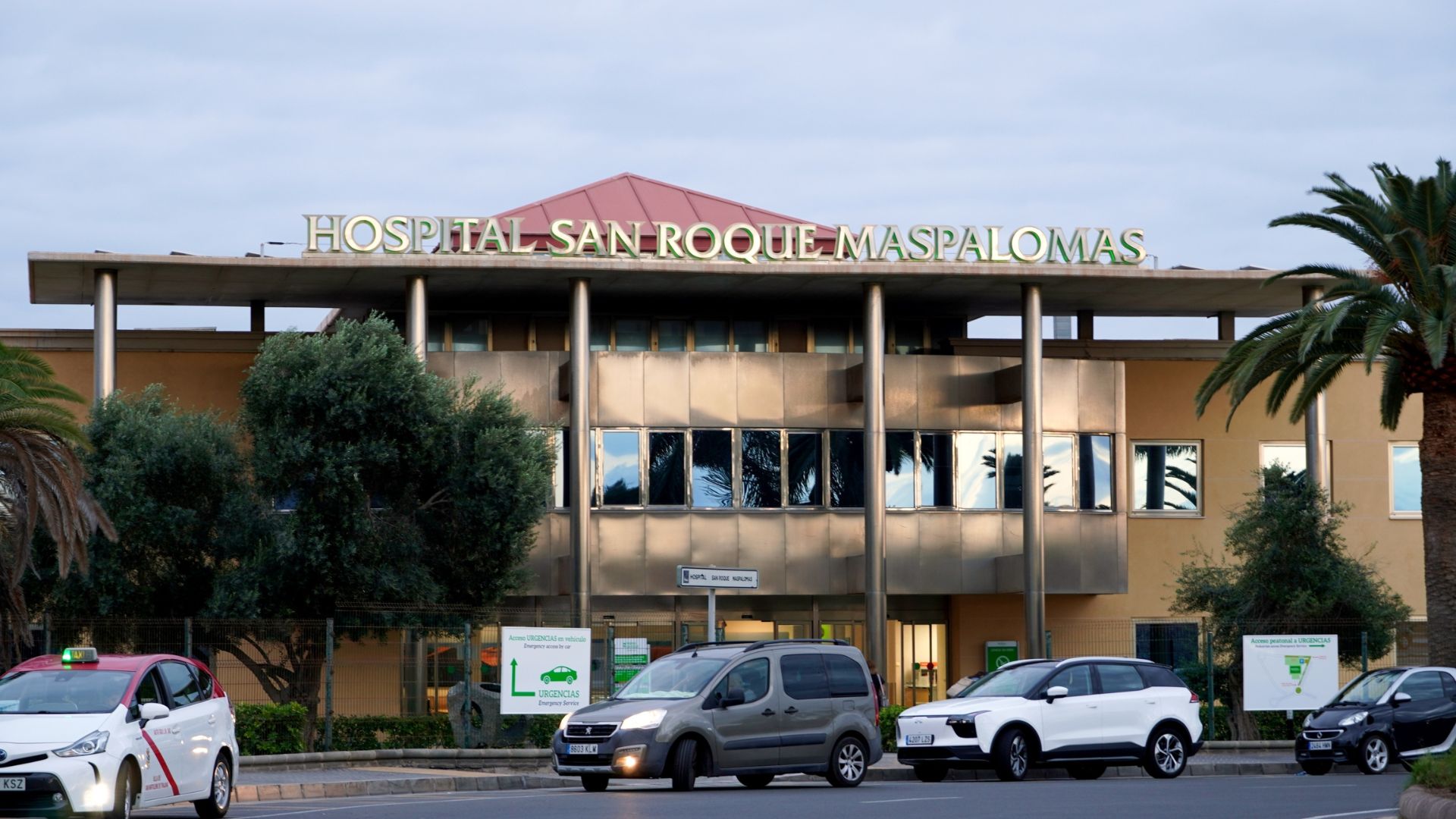
Public hospitals and health centres in Tenerife and Gran Canaria are generally modern and well run. Emergency care is particularly strong, and medical standards are high. The main drawback is waiting times for non-urgent specialist appointments, which can be lengthy depending on demand and location.
English is spoken inconsistently. Some doctors are fluent, others are not, and administrative staff usually operate in Spanish only. This is one of the main reasons many expats feel overwhelmed during their first interactions with the system.
.jpg)
Who Is Eligible for Public Healthcare as an Expat
Eligibility depends on your legal and financial status. EU citizens with residency and social security contributions typically qualify. UK nationals post-Brexit must meet additional requirements.
Empadronamiento, registering on the local municipal register, is essential but does not grant healthcare access by itself. Some retirees qualify using an S1 form, while others gain access through employment or permanent residency. A frequent mistake is assuming that private insurance automatically opens the door to public healthcare. It does not.
Private Healthcare in the Canary Islands
Private healthcare is where many expats find reassurance. Appointments are quicker, referrals are straightforward, and English-speaking doctors are far more common. Private hospitals and clinics across the main islands are well equipped and professionally run.
Costs remain reasonable compared to the UK. A standard consultation typically costs between 80 and 150 euros, with transparent pricing for tests and procedures. For many expats, private healthcare offers peace of mind, especially during the first years of living on the islands.
Health Insurance Options for Expats
Private health insurance is often required for residency applications. Spanish insurers are widely accepted and competitively priced, while international providers offer broader coverage at a higher cost.
Most policies exclude pre-existing conditions, dental care, and certain specialist treatments. Monthly premiums vary by age and level of cover, but many expats budget between 60 and 180 euros per person. Choosing the wrong policy can delay residency approval, so this decision should be handled carefully.
Healthcare for Retirees and Pensioners
Retirees are generally well supported. Those eligible for public healthcare benefit from subsidised prescriptions and access to public hospitals. Co-payments for medication are modest.
Long-term care options are improving but remain limited compared to the UK. Many retirees combine public healthcare access with private insurance to avoid delays and ensure flexibility as they age.
Emergency and Specialist Care in the Canary Islands
Emergency services are reliable, with strong response times in built-up areas. Specialist care through public healthcare requires referrals and patience. Delays are common for non-urgent cases, which is why many expats use private clinics for diagnostics or specialist consultations when timing matters.
Prescriptions, Pharmacies, and Medication Costs
Pharmacies play a central role in day-to-day healthcare. Pharmacists often provide advice for minor issues and can recommend treatment without a GP visit. Prescription medication is affordable, widely available, and subsidised for those using public healthcare.
Healthcare Differences Between Canary Islands
Tenerife and Gran Canaria offer the most comprehensive healthcare infrastructure, including major hospitals and specialist units. Smaller islands rely more heavily on referrals and inter-island travel for specialist treatment. For expats with ongoing medical needs, location choice should never be an afterthought.
Why Choose Canarian Properties?
At Canarian Properties, we deal with these conversations every day. Not in theory, but in real relocations. We help UK expats understand how healthcare, residency, and property decisions intersect in practice.
We know which areas suit retirees, which islands offer faster access to hospitals, and how healthcare realities affect long-term living decisions. Our role goes beyond property. We help you settle properly and avoid expensive assumptions.
FAQs
Is healthcare free in the Canary Islands for UK expats?
Only if you meet the eligibility requirements. Many expats rely on private insurance initially.
Do I need health insurance to buy property?
No, but it is usually required when applying for residency.
Are there English-speaking doctors?
Yes, particularly in private clinics, but it should not be assumed in public healthcare.
Which island offers the best healthcare access?
Tenerife and Gran Canaria provide the widest range of hospitals and specialists.
Conclusion
Healthcare is one of the Canary Islands’ strongest advantages, but only if you understand how to navigate it. Public healthcare is dependable, private healthcare is efficient, and insurance bridges the gaps. Most problems arise from assumptions, not from the system itself.
If you are planning a move and want clear, experience-based advice, speak to Canarian Properties. We help expats make informed decisions from the start, so your move is built on clarity rather than guesswork.