

Quick Summary: What Serious Buyers Need to Understand
- School access changes dramatically between neighbouring towns
- Beach lifestyle is defined by surroundings, not the coastline itself
- Community integration is slow, not automatic
- Micro-location matters more than island selection
- Strong coastal demand is tightening supply in key areas
- Decision speed increasingly determines purchase success in 2026
Canary Islands Relocation Guide 2026: Schools, Beaches & Community Reality
Most buyers do not arrive in the Canary Islands just to buy property. That decision usually comes later.
What brings them first is a lifestyle assumption: better weather, easier living, and a belief that island life is broadly the same everywhere.
That is where things start to go wrong.
After years working across Tenerife, Gran Canaria and surrounding markets, one pattern is consistent: two buyers can move to the “same island” and end up in completely different lifestyles depending on a single decision, the micro-location.
It is not the island that defines the outcome. It is the street, the school zone, and the coastline within a few minutes’ drive.
Schools in the Canary Islands: The Factor That Quietly Decides Everything
For families, schooling is rarely treated as the first filter. It should be.
The reality is simple: school options are uneven, and that unevenness directly shapes property value and lifestyle suitability.
International schools exist across Tenerife and Gran Canaria, but they are concentrated in specific corridors. Outside those zones, options narrow quickly. This is not always obvious from listing searches, which is where buyers often miscalculate.
Local Spanish schools are structured, disciplined, and generally well regarded. But for non-Spanish-speaking children, the first 6 to 12 months can be a genuine adjustment period, not just academically but socially.
What experienced agents see repeatedly is this:
Buyers fall in love with a property first, then try to solve schooling afterwards. In practice, it should be the other way around.
In many of the stronger family markets, school catchment effectively becomes the real boundary of the property search. A villa outside the right zone can be less suitable than a smaller home within it.
At this point in the process, most informed buyers start narrowing their search properly, often with guidance from a local advisory-led agency such as Canarian Properties.

Mid-Search Reality Check (Most Buyers Reach This Point Here)
This is usually where expectations shift.
Once school logistics are understood properly, buyers tend to realise they are not choosing “an island lifestyle” anymore. They are choosing between two or three very specific micro-areas that meet practical requirements first, lifestyle second.
That is the stage where early filtering matters most, because it prevents wasted viewings and misplaced expectations.
Beaches in the Canary Islands: The Most Misunderstood Lifestyle Feature
The word “beach lifestyle” gets used far too loosely in this market.
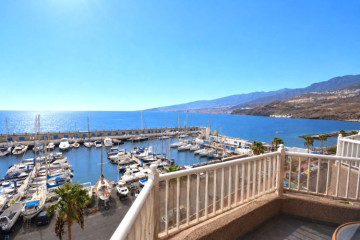
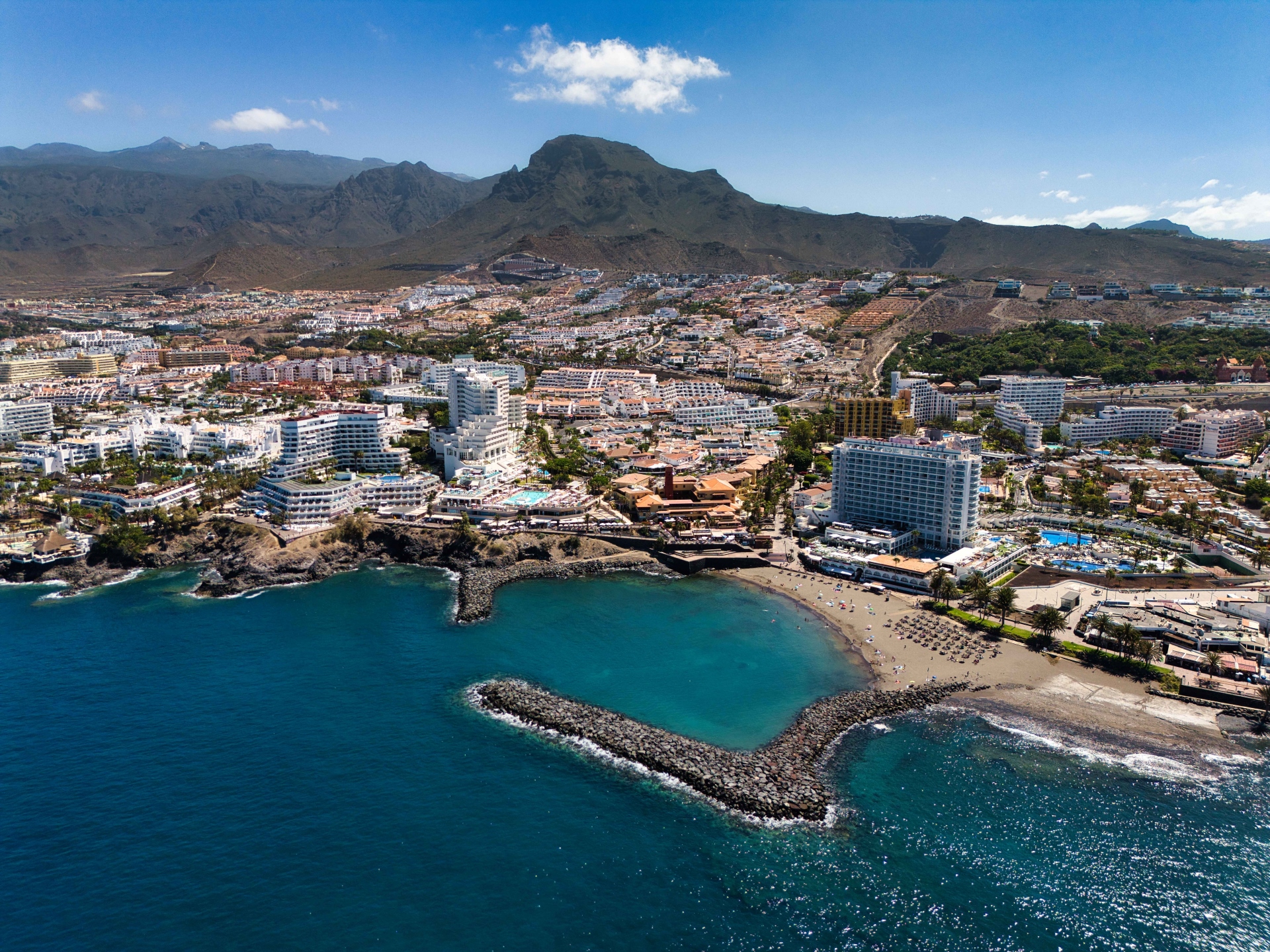
A beach in one part of Tenerife can feel like a busy, year-round social environment with cafés, tourism infrastructure and constant activity. Another beach just 15 minutes away can feel quiet, residential and almost local-only outside peak season.
Gran Canaria shows the same divide. Some coastal zones operate like full resort economies. Others function as low-density residential communities where the beach is part of daily life, not a tourist attraction.
This is where many buyers misread the market. They assume the coastline defines the experience. In reality, the surrounding urban design defines it.
Promenade density, short-term rental activity, traffic flow, and café culture all matter more than the sand itself.
One practical recommendation used consistently by experienced advisors: visit shortlisted areas mid-week, outside peak season, ideally in the morning. That is when the real living conditions become visible without tourism influence.
Community Life: Why Integration Takes Longer Than Expected
Community formation in the Canary Islands is gradual, not immediate.
New arrivals typically sit within three overlapping groups:
- Long-term local Spanish residents
- Established expatriate communities
- Seasonal or short-term residents depending on the area
The mix changes significantly between resort zones and residential towns.
Smaller towns tend to integrate faster. Not because they are more welcoming, but because social interaction is unavoidable and repetitive. You see the same people in the same places, and relationships form naturally over time.
Larger coastal areas operate differently. They are more fluid, especially in high-tourism months. That creates a slower sense of belonging, even if the infrastructure is stronger.
The buyers who adapt best are not those seeking instant community, but those who build routine first. Familiar cafés, repeated walking routes, and consistency matter more than organised social events.
This adjustment phase is often underestimated, and it is where expectations either settle or fracture.
Market Conditions 2026: Why Timing Matters More Than Buyers Think
The Canary Islands property market is not moving as a single unit.
Coastal zones with established demand continue to show price resilience. Limited resale stock and sustained international interest are keeping pressure on the strongest lifestyle areas.
At the same time, inland and less tourist-driven areas behave differently, with longer marketing times and more stable pricing patterns.
Current market behaviour is defined by three clear trends:
- International relocation demand remains structurally strong
- Cash buyers are increasingly shaping transaction speed
- High-demand coastal stock is tightening year-on-year
In practical terms, hesitation now has a cost. In the most competitive zones, properties that match buyer criteria are often secured quickly, particularly when they are correctly priced.
This is where early clarity and pre-filtering of areas becomes commercially important, not just convenient.

Why Work With a Local Advisory-Led Agency
In a market like this, listing access is not the main advantage.
The real value comes from interpretation: understanding which areas actually suit a buyer’s lifestyle, budget, and long-term intent before they commit time to viewings.
Experienced agencies such as Canarian Properties typically operate more as filters than catalogues. The role is to remove unsuitable options early and focus only on realistic matches.
That includes:
- Matching school access to property geography
- Filtering coastal lifestyle differences properly
- Reducing wasted viewing trips
- Clarifying legal and purchasing steps for overseas buyers
- Aligning property choice with long-term living use, not just aesthetics
For serious buyers, this stage is often what separates a smooth relocation from a fragmented one.
FAQ
Is it easy for foreigners to buy property in the Canary Islands?
Yes. Foreign buyers face no restrictions. The process is straightforward, but legal and tax steps should always be properly managed.
Yes. Foreign buyers face no restrictions. The process is straightforward, but legal and tax steps should always be properly managed.
Which island is best for families?
Tenerife and Gran Canaria generally offer the most balanced combination of schools, healthcare, infrastructure and lifestyle variety.
Tenerife and Gran Canaria generally offer the most balanced combination of schools, healthcare, infrastructure and lifestyle variety.
Are prices still rising in 2026?
In prime coastal areas, prices remain firm due to limited supply and strong demand. Inland areas are more stable and move at a slower pace.
In prime coastal areas, prices remain firm due to limited supply and strong demand. Inland areas are more stable and move at a slower pace.
Can properties be rented out short-term?
Yes, but licensing rules vary significantly by municipality and are strictly enforced in many tourist zones. This must be checked before purchase.
Yes, but licensing rules vary significantly by municipality and are strictly enforced in many tourist zones. This must be checked before purchase.
Do buyers need residency to purchase?
No. Non-residents can buy freely in Spain, including the Canary Islands.
No. Non-residents can buy freely in Spain, including the Canary Islands.
Conclusion: The Real Decision Is Not the Island
The Canary Islands remain one of the most attractive lifestyle and relocation markets in Europe, but the assumption that “anywhere works” is where most buyer mistakes begin.
In reality, outcomes are shaped far more by micro-location than island choice. Schools, beach environment, and community structure vary significantly within short distances.
Buyers who understand this early tend to make better long-term decisions, avoid costly misalignment, and settle into the right environment more quickly.
For those seriously considering relocation or investment in 2026, the next step is not browsing broadly, but narrowing down suitable micro-areas based on real lifestyle requirements.
At that stage, structured guidance from an advisory-led agency such as Canarian Properties helps turn broad interest into a focused, realistic shortlist of properties that genuinely fit long-term living goals.
Speak directly with Canarian Properties to refine the right micro-areas, understand the trade-offs between locations, and build a focused property shortlist for your move in 2026.