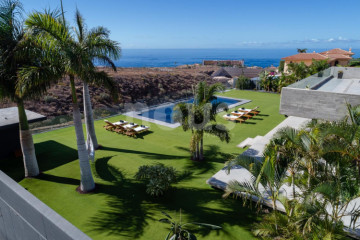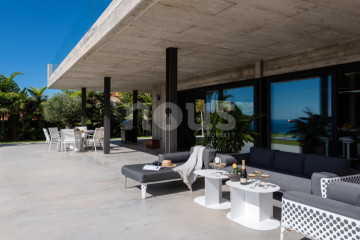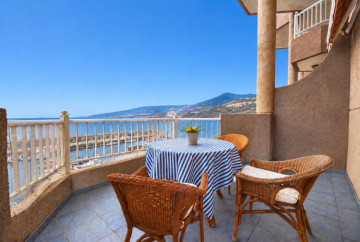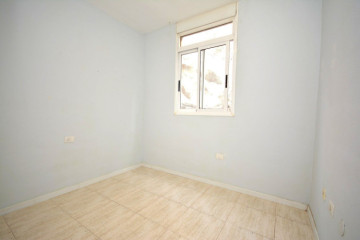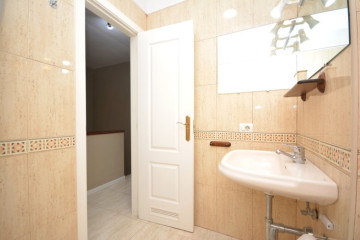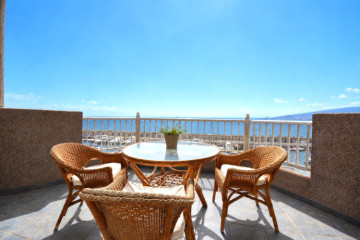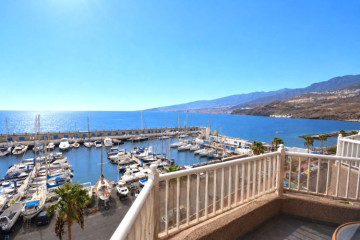


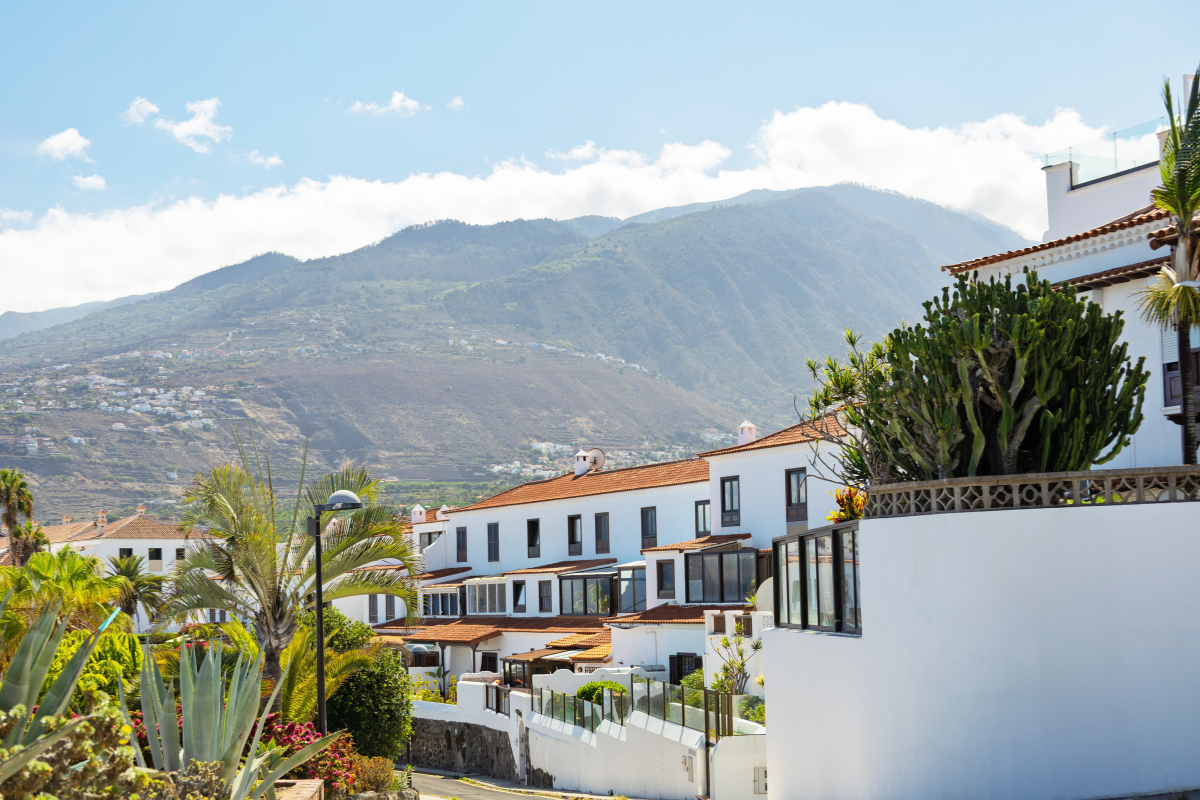
Owning a holiday home in the Canary Islands is a dream for many international buyers. With a mild climate that brings more than 300 days of sunshine each year, a relaxed lifestyle, and excellent travel connections to Europe, the archipelago continues to attract people seeking a second home, investment property, or future retirement haven.
More than eleven million visitors arrive every year, drawn to the islands’ safety, beauty, and affordability. From Tenerife’s lively resorts to Lanzarote’s distinctive architecture and Fuerteventura’s sweeping beaches, each island offers its own advantages.
However, before you buy, it is essential to understand the process how property purchases work in Spain, what legal steps are required, and how to secure financing and manage costs. This guide explains everything you need to know about buying a holiday home in the Canary Islands in 2025 so that you can make an informed and confident decision.Buying property abroad requires careful planning and local expertise.
Why Buy a Holiday Home in the Canary Islands?
There are many reasons why the Canary Islands remain one of Europe’s most desirable property destinations.
First and foremost, the islands’ consistent climate allows for year-round enjoyment. Average temperatures hover around 22°C, which means owners can visit at any time of the year and comfortably enjoy their homes. This makes the Canaries especially appealing to buyers from colder climates who seek winter sunshine without long-haul travel.
The islands’ location also adds to their charm. Positioned between Europe and Africa, the Canaries benefit from a unique blend of cultural influences while being just a few hours’ flight from major European cities.
As part of Spain and the European Union, the Canary Islands also offer legal and political stability, with strong property rights for both residents and foreign buyers. Spain’s real estate laws ensure full freehold ownership, making purchases safe and transparent.
Furthermore, the region’s tourism industry continues to drive strong demand for short-term and holiday rentals, offering an attractive opportunity for buyers who wish to earn income from their property when it is not in use.
Choosing the Right Island for Your Holiday Home
Each Canary Island has its own personality, property market, and lifestyle appeal. Choosing the right island depends on your budget, preferences, and how you plan to use your home.
Tenerife is the largest and most developed island, offering everything from luxury villas in Costa Adeje to more affordable apartments in Los Cristianos or La Orotava. It has the most extensive infrastructure, including international schools, private hospitals, and two airports, making it ideal for families, investors, and retirees alike.
Gran Canaria offers a balance between cosmopolitan living and beach life. The capital, Las Palmas, is known for its cultural scene and city amenities, while the south areas such as Maspalomas and Puerto Rico is popular for resorts and tourism-driven rentals. Property prices here are slightly lower than Tenerife, providing strong value for money.
Lanzarote is unique for its volcanic landscape and strict environmental planning. The influence of artist César Manrique ensures the island’s architecture blends harmoniously with its surroundings. Buyers here tend to be environmentally conscious or artistic individuals looking for sustainable, design-led properties.
Fuerteventura is known for its natural beauty, relaxed atmosphere, and affordability. With long beaches, excellent water sports facilities, and lower population density, it attracts retirees, remote workers, and those seeking tranquillity.
The smaller islands La Palma, La Gomera, and El Hierro offer rural authenticity, affordable property prices, and a slower pace of life. They are perfect for buyers seeking privacy, eco-living, or community-oriented lifestyles away from busier tourist areas.
In 2025, average prices range from €2,800 per square metre in Tenerife to about €2,000 in Fuerteventura, with smaller islands averaging between €1,600 and €1,900 per square metre.
Understanding the Canary Islands Property Market in 2025
The Canary Islands’ property market has remained resilient and continues to attract international buyers. In 2024, prices rose between five and eight per cent, driven by continued foreign demand and limited new construction.
Tourism recovery and the rise of remote working have also increased long-term rental demand, creating investment opportunities in both the residential and holiday sectors. Tenerife and Gran Canaria lead the market for capital growth, while Lanzarote and Fuerteventura are becoming popular with lifestyle-driven buyers seeking sustainable and affordable homes.
Rental yields range between four and seven per cent annually depending on property type and location. As travel demand continues to rise, 2025 is expected to be a strong year for property appreciation, especially in areas close to beaches or airports.
Legal Requirements for Foreign Buyers
Foreign buyers face no restrictions when purchasing property in the Canary Islands. However, you must obtain a Número de Identificación de Extranjero (NIE) a tax identification number required for all property transactions, bank accounts, and utility contracts.
It is highly advisable to hire an independent lawyer (abogado) who will act on your behalf to verify ownership, confirm there are no debts or legal issues attached to the property, and ensure all paperwork complies with Spanish law.
The lawyer will check the Escritura Pública (title deed) and the Land Registry (Registro de la Propiedad) to confirm that the seller has the right to transfer ownership.
Typically, buyers make a reservation deposit to secure the property, followed by the signing of a purchase contract before a notary. The notary ensures the transaction is legally valid and records the sale in the Land Registry.
With the correct guidance, the buying process is safe, transparent, and straightforward. You will need to obtain an NIE number before purchasing.
An essential part of that process is understanding visa and residency rules. Read our article on Visa and Residency Requirements for Property Buyers in the Canary Islands to learn which documents and permits you’ll need before purchasing.
Step-by-Step Process of Buying a Holiday Home
The process of buying property in the Canary Islands can be summarised in several clear stages:
Step 1: Research your preferred island and property type. Consider proximity to amenities, accessibility, and long-term value potential.
Step 2: Select a reputable real estate agency such as Canarian Properties, which specialises in helping international buyers. Experienced local agents provide access to verified listings and expert market insights.
Step 3: Obtain your NIE number and open a Spanish bank account to handle payments, taxes, and ongoing bills.
Step 4: Make an offer and pay a reservation deposit to remove the property from the market while legal checks are completed.
Step 5: Your lawyer conducts due diligence, confirms ownership, and prepares documentation for the notary signing.
Step 6: Pay the balance, taxes, and registration fees, then sign the purchase deed before a notary.
Step 7: Register your ownership with the Land Registry and arrange for utility connections and insurance.
Financing and Mortgage Options
Foreign buyers can access mortgages from both Spanish and international banks. Typically, EU residents can borrow up to 70 per cent of the property’s value, while non-EU residents may obtain financing of up to 60 per cent.
Buyers must usually provide a down payment of 20 to 30 per cent and submit financial documentation such as payslips, tax returns, and bank statements.
Interest rates remain competitive, and fixed-rate mortgages offer stability for long-term buyers. It is wise to compare offers from several banks and consider consulting a mortgage broker experienced in overseas property purchases. Exchange rate fluctuations can affect costs for non-euro buyers, so timing your transfer strategically can help you save money.
Securing funding is often one of the biggest challenges. For detailed insights on mortgage options and bank requirements, read our guide on How to Finance a Property Purchase in the Canary Islands.
Property Taxes, Fees, and Ongoing Costs
When buying property, expect to pay between ten and twelve per cent in taxes and fees on top of the purchase price.
For resale properties, the main tax is ITP (Impuesto de Transmisiones Patrimoniales), which is currently 6.5 per cent in the Canary Islands. For new builds, buyers instead pay IVA (Value Added Tax) at ten per cent plus AJD (Stamp Duty) at approximately one per cent.
Additional expenses include notary, registration, and legal fees, totalling around two to three per cent.
After purchase, you will have ongoing costs such as annual IBI (property tax), community fees if the property is in a complex, and utilities. Property insurance and maintenance costs should also be factored into your budget.
Owners who rent out their homes must declare rental income and pay the corresponding tax, but the Canary Islands’ special fiscal regime offers lower rates than mainland Spain, creating significant savings for investors.
You’ll also want to keep up with current real estate trends to anticipate tax changes and market shifts. Read our latest update on 2025 Real Estate Trends in the Canary Islands for valuable insights.
Renting Out Your Holiday Home
Many homeowners choose to rent out their holiday properties to generate income. To do so legally, you must apply for a Vivienda Vacacional licence, which authorises short-term tourist rentals.
Each island has slightly different requirements, but in general, your property must meet safety and quality standards such as providing first aid kits, appropriate ventilation, and guest registration procedures.
Rental returns can be attractive, especially in tourist hubs like Tenerife and Gran Canaria, where demand remains strong throughout the year. Average yields range from five to seven per cent annually, depending on location and property type.
If you plan to let your property, it is advisable to use a professional management company that can handle marketing, guest services, and maintenance, ensuring compliance with local regulations.
Tips for Buying Safely and Avoiding Common Mistakes
Buying abroad requires caution, but avoiding mistakes is simple when you take the right precautions. Always conduct due diligence by verifying the property’s legal status and ensuring all licences are in order.
Do not transfer deposits directly to a seller’s account always use a regulated escrow service or make payments through your lawyer. For off-plan developments, confirm the builder’s permits, guarantees, and completion timeline.
Work only with licensed estate agents who can provide full documentation and references. Independent legal advice is essential to ensure you understand all contracts and obligations. With the right professional support, the buying process will be safe and transparent.
Living the Dream What to Expect After Buying
After completing your purchase, you can start personalising your holiday home and enjoying the benefits of island living. Many owners choose to hire property management services to handle maintenance and security, particularly if they do not reside in Spain full-time.
Life in the Canary Islands is relaxed and community-oriented. Residents enjoy a high quality of life, excellent healthcare, and a lower cost of living compared with many parts of Europe. Expat networks and community groups make integration easy, and English is widely spoken in the main tourist areas.
Whether you plan to visit for extended holidays or eventually move permanently, owning a property in the Canaries gives you the flexibility to combine investment with lifestyle.
Why Choose Canarian Properties
Canarian Properties is an experienced real estate agency specialising in helping international buyers find their ideal homes across all the Canary Islands.
The team combines deep local knowledge with a global perspective, providing expert advice on market trends, legal procedures, and investment opportunities. From sourcing properties to managing negotiations and legal coordination, Canarian Properties ensures every step is handled professionally.
Clients benefit from full transparency, multilingual support, and access to verified listings. Whether you are seeking a beachfront apartment, a luxury villa, or a long-term investment, Canarian Properties provides personalised guidance designed to make buying in the Canary Islands simple and secure.
Frequently Asked Questions
1. Can foreigners buy property in the Canary Islands?
Yes. Both EU and non-EU nationals can freely purchase property in the Canary Islands. The only requirement is to obtain an NIE number for tax identification purposes. There are no restrictions on ownership or repatriation of profits, making it one of the most accessible real estate markets in Europe.
2. How much do holiday homes cost in 2025?
Prices depend on the island and property type. Apartments typically start at €150,000 in Fuerteventura and around €200,000 in Tenerife. Villas range from €400,000 to over €1 million in premium areas such as Costa Adeje or Puerto del Carmen. Buyers should budget an additional ten to twelve per cent for taxes and legal costs.
3. Is buying property in the Canary Islands a good investment?
Yes. The combination of strong tourism, consistent rental demand, and limited supply has supported long-term price growth. Investors benefit from steady capital appreciation, attractive yields, and Spain’s legal security for foreign ownership. The special fiscal regime also makes property ownership more tax-efficient.
4. Can I get a mortgage as an overseas buyer?
Yes. Most Spanish banks offer mortgages to foreign buyers, although conditions vary. You will need proof of income, bank statements, and a good credit history. It is advisable to compare lenders and consider a fixed-rate mortgage for long-term stability. Professional financial advice can help identify the best options for your circumstances.
<span style="font-size: 11pt; font-family: Arial, sans-serif; ba