

Quick Summary:
- Buying a holiday home in the Canary Islands is increasingly popular with international buyers.
- Tenerife, Gran Canaria, Lanzarote, and Fuerteventura are the top islands for property investment.
- Key steps include setting your budget, choosing the right location, and understanding legal procedures.
- Working with local estate agents ensures access to the best properties and guidance.
- Renting out your property can generate additional income, but licensing and regulations must be considered.
Are you dreaming of owning a sun-soaked retreat in the Canary Islands? You are not alone! Each year, thousands of buyers from across Europe and beyond choose Tenerife, Gran Canaria, Lanzarote, and Fuerteventura to invest in holiday homes. But buying property abroad can feel complex. Legal requirements, taxes, paperwork, and location decisions all require careful planning.
In this complete step-by-step guide, we will walk you through every stage of buying a holiday home in the Canary Islands. From understanding the property market to finalising legal procedures, you will gain the knowledge to make confident, informed decisions. Whether your goal is a private holiday escape or a rental investment, this guide will set you on the right path.
Understanding the Canary Islands Property Market
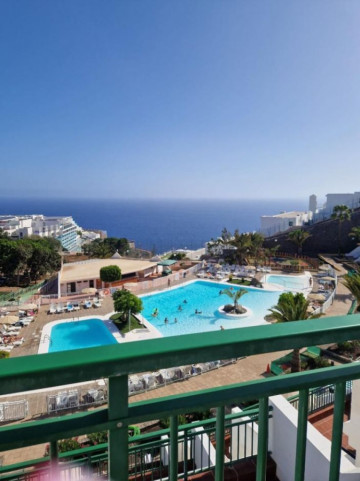
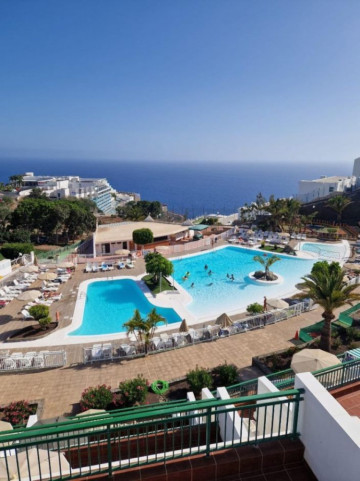
The Canary Islands offer diverse locations for holiday homes. Tenerife is ideal for those seeking lively resorts and luxury villas, while Gran Canaria provides a mix of vibrant towns and quieter retreats. Lanzarote and Fuerteventura appeal to beach lovers and outdoor enthusiasts. La Palma, La Gomera, and El Hierro offer peaceful environments for long-term investment or a quieter lifestyle.
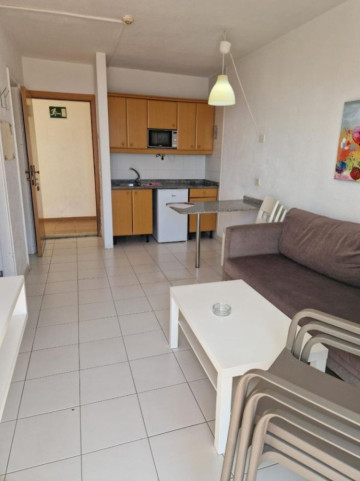
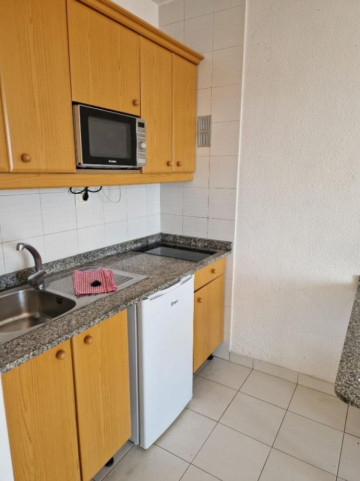
Property types vary from modern apartments to spacious villas and traditional townhouses. Current market trends show strong demand for luxury homes, particularly in beachfront locations, while short-term rental properties continue to attract high returns. Average property prices differ across islands, with Tenerife and Gran Canaria typically higher than La Palma or El Hierro.
Setting Your Budget and Financing Options
Before beginning your search, it is crucial to determine a total budget that includes taxes, notary fees, registry fees, agency charges, and community expenses. For non-residents, Spanish banks offer mortgages with specific conditions, interest rates, and repayment terms. International buyers should also consider currency exchange fluctuations, which can impact the final cost. Being financially prepared ensures a smooth and stress-free buying process.
Choosing the Right Location for Your Holiday Home
Selecting the right location is about more than property prices. Consider proximity to beaches, airports, and amenities. Lifestyle factors are equally important, whether you prefer vibrant nightlife, golf resorts, or family-friendly communities. Popular areas include Costa Adeje in Tenerife, Puerto de Mogán in Gran Canaria, and Playa Blanca in Lanzarote. Investigate safety, infrastructure, and future development plans to make an informed choice.
Property Search and Working with Real Estate Agents
Finding the perfect property is easier with a reputable local estate agent. They provide access to off-market listings, expert advice, and guidance on negotiation. Shortlist properties based on your budget, location preferences, and property type. Property viewings, whether in-person or virtual, are essential to assess condition, quality, and potential. Working with experienced agents ensures you secure the best deal while avoiding common pitfalls.
Legal Process for Buying Property in the Canary Islands
The legal steps include obtaining a NIE (Foreigner Identification Number), verifying property deeds (Escritura), and conducting thorough due diligence. A Spanish lawyer (abogado) and notary (notario) are essential for ensuring a safe and legal transaction. Buyers must understand taxes such as transfer tax, VAT (IVA), and annual property charges. Following legal requirements prevents future complications and ensures clear property ownership.
Making an Offer and Signing Contracts
Once you find your ideal property, submit a formal offer and sign a reservation agreement with a deposit. The private purchase contract (Contrato de Arras) outlines the terms of sale, payment schedule, and responsibilities. Negotiation is often possible, and understanding common pitfalls helps avoid disputes. Knowing timelines and procedures ensures a smooth path to completion.
Completion and Taking Ownership
Completion occurs at the notary, where final payments are made, and the property is officially registered. Buyers must transfer funds safely, register the property in the Land Registry, and set up utilities and community fees. Planning your first stay or rental strategy ensures the property is ready for use immediately.
Renting Out Your Holiday Home (Optional)
Many buyers choose to rent their holiday home to generate income. Short-term rentals require a licence, compliance with local regulations, and marketing to attract international guests. Hiring property managers can simplify operations, while careful planning maximises ROI and maintains the property’s quality.
.jpg)
Why Choose Canarian Properties?
Canarian Properties combines over 20 years of local expertise with an in-depth understanding of the Canary Islands property market. Their proven track record of helping clients secure holiday and luxury homes ensures a seamless buying experience. Every client receives personalised guidance, from property search to legal procedures, tailored to their individual needs and lifestyle preferences.
Beyond expertise, Canarian Properties offers dedicated support throughout the entire process. Their team assists with financing, property management, and investment analysis, using innovative tools and strategies to make buying abroad straightforward and stress-free. Choosing Canarian Properties means partnering with a trusted estate agency committed to turning your dream of owning a Canary Islands home into reality.
FAQ
Can foreigners buy property in the Canary Islands?
Yes, foreign buyers can purchase property freely, but must obtain a NIE number and comply with Spanish property laws.
Do I need a Spanish lawyer?
While not legally required, a lawyer ensures due diligence, checks for debts, and protects your interests throughout the purchase.
What taxes should I expect?
Buyers pay transfer tax, VAT (for new builds), notary fees, registration fees, and annual property taxes.
Can I rent out my holiday home?
Yes, with the correct holiday rental licence. Compliance with local regulations is essential to avoid fines.
Are mortgages available for non-residents?
Yes, Spanish banks provide mortgages to non-residents, usually requiring a deposit of 30–40% of the property value.
Conclusion
Buying a holiday home in the Canary Islands combines lifestyle, investment, and memorable experiences. By following this step-by-step guide, you can navigate the property market, handle legal requirements, and secure your ideal property with confidence. Whether it is a private retreat or a rental investment, the Canary Islands offer opportunities for all buyers. Begin your journey today and let Canarian Properties help turn your dream into reality!
Start your property search with Canarian Properties today and find the perfect Canary Islands holiday home tailored to your lifestyle and investment goals.