

Quick Summary:
- Tenerife remains one of Spain’s most accessible markets for foreign lifestyle buyers, but pricing and regulation have matured.
- Location choice now matters more than ever, especially between the north and south of the island.
- Legal checks, licensing rules, and ownership costs must be understood before committing.
- Buyers who plan carefully and use experienced local professionals tend to avoid costly mistakes.
- Tenerife rewards long term thinking rather than rushed decisions.
Buying property in Tenerife is rarely just about bricks and mortar. I have seen buyers fall hard for the island within days, then hesitate once the legal and financial realities come into focus. In 2026, Tenerife continues to attract foreign buyers looking for lifestyle, climate, and stability, but the market is no longer informal or forgiving. Prices have firmed, regulations are enforced more consistently, and the gap between good purchases and poor ones has widened. This guide focuses on what actually matters when buying property in Tenerife today, based on how transactions work in practice, not how they are presented online.
Understanding the Tenerife Property Market in 2026
The Tenerife property market in 2026 is defined by steady demand rather than speculation. House prices have stabilised after several years of growth, with the strongest performance in established southern locations where international buyers concentrate. The north of Tenerife remains more affordable, but demand there is driven more by long term residents and local buyers than by short term lifestyle purchasers.
Post pandemic buyer behaviour has shifted noticeably. Lifestyle buyers now prioritise space, terraces, internet reliability, and year round liveability rather than purely holiday use. Investors are more selective, focusing on licensed properties with proven rental performance. Expectations around rapid price growth have softened, but Tenerife continues to appeal as a lower risk market with consistent demand and reasonable rental yields when purchased correctly.
Best Areas to Buy Property in Tenerife
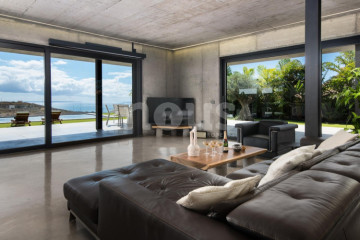
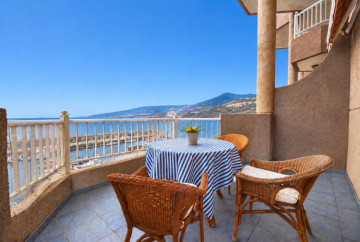
Choosing where to buy in Tenerife is more important than choosing the property itself. Costa Adeje remains the most sought after area for foreign buyers, particularly those looking for modern apartments or villas close to amenities. Los Cristianos offers a more residential feel with strong resale demand, while Playa de las Américas suits buyers prioritising short term rental appeal and walkability.
Puerto de la Cruz and the wider north attract buyers seeking cooler temperatures, traditional neighbourhoods, and better value, but these areas require a clearer understanding of local demand. Micro location matters enormously. Two streets apart can mean different rental rules, community costs, and resale prospects. Resort zones may generate income but often lack long term liveability, while residential areas suit permanent relocation but can restrict holiday rentals.
Property Types Available in Tenerife
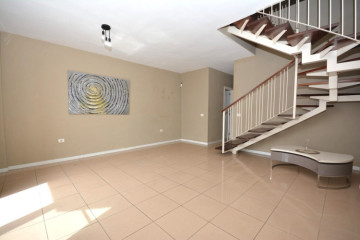
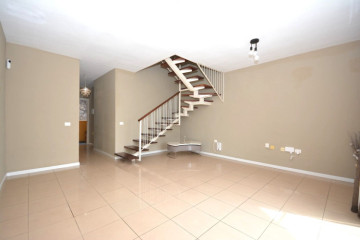
Apartments dominate the Tenerife market and suit most foreign buyers, particularly those relocating part time or full time. Villas offer privacy and space but come with higher running costs and more complex maintenance. New build property appeals due to energy efficiency and modern design, but supply is limited and pricing is firm. Resale properties offer more flexibility and negotiation potential but require careful legal checks.
Rural fincas and country homes attract buyers seeking tranquillity, though they carry higher legal risk if planning status is unclear. Leasehold concerns are often misunderstood, as most Tenerife property is freehold, but buyers must still confirm land registry details. Properties with tourist licences remain highly sought after, though availability is increasingly restricted.
Legal Process of Buying Property in Tenerife
The Spanish property buying process is structured but unforgiving of shortcuts. After an offer is accepted, a private contract is signed, followed by completion before a notary. The notary confirms legality but does not represent the buyer’s interests, which is why independent legal advice is essential.
Timelines typically range from six to ten weeks, though delays often arise from missing documentation or unresolved planning issues. Common problems include incorrect property registration, unpaid community fees, and licensing discrepancies. These issues are manageable when identified early, but costly when ignored.
Costs and Taxes When Buying Property in Tenerife
Buyers must budget beyond the purchase price. Resale properties attract property transfer tax, while new builds are subject to VAT and stamp duty. Notary fees, land registry costs, and legal fees are relatively modest but unavoidable.
Ongoing costs include IBI property tax, community fees, utilities, and non resident property tax where applicable. Buyers often underestimate these annual costs, particularly in resort complexes with shared services.
Financing and Mortgages in Tenerife
Spanish mortgages are available to foreign buyers, typically offering lower loan to value ratios than domestic loans. Banks require comprehensive documentation, including income proof and credit history. Cash buyers retain stronger negotiating power, particularly on resale property.
Currency exchange plays a critical role in overall cost. Poor timing or unmanaged exchange risk can significantly increase the final price paid.
Buying Property as a Foreigner in Tenerife
All foreign buyers require an NIE number, and delays here can stall transactions. Residency status affects taxation but not ownership rights. The Golden Visa remains relevant in 2026 for qualifying purchases, though it suits a narrow buyer profile.
Inheritance and succession planning should be addressed early, particularly for buyers with assets in multiple jurisdictions.
.jpg)
Rental Potential and Investment Considerations
Holiday rentals continue to perform well in licensed zones, but enforcement has tightened. Gross yields often look attractive on paper, but net returns depend heavily on management costs, maintenance, and occupancy rates. Long term rentals offer stability but lower headline yields. Exit strategy matters, as resale demand varies significantly by location and property type.
Common Mistakes Buyers Make in Tenerife
The most common mistake is choosing a property before understanding the area. Many buyers rely too heavily on online listings or use lawyers connected to the seller. Community rules are often overlooked, particularly restrictions on rentals. Long term ownership costs are frequently underestimated, eroding returns over time.
Why Choose Canarian Properties?
Canarian Properties stands out because they combine deep local knowledge with a genuine understanding of foreign buyers’ needs. They don’t just show you houses; they guide you through micro-location differences, licensing rules, and realistic pricing, so you know exactly what you’re buying. Their team has a proven track record handling everything from modern apartments in Costa Adeje to rural fincas, making the process smoother and far less stressful.
They also provide personalised support from start to finish, including legal guidance, property management insights, and advice on taxes and ongoing costs. Unlike agencies that just market properties, Canarian Properties works with buyers to make sure every purchase is practical, compliant, and aligned with long-term lifestyle or investment goals.
FAQ
Do I need a lawyer to buy property in Tenerife?
Yes. Spanish law allows the notary to confirm ownership, but only an independent lawyer protects your interests and checks licences, debts, and registration.
Can foreigners get a mortgage in Tenerife?
Absolutely. Spanish banks lend to non-residents, though loan-to-value ratios are lower and documentation requirements stricter than for locals. Cash buyers retain stronger negotiation power.
What areas are best for lifestyle buyers?
Costa Adeje, Los Cristianos, and Playa de las Américas are top choices for year-round living. The north offers value and quieter neighbourhoods, but foreign demand is lower.
Do I need a tourist licence to rent my property short term?
Yes. Tenerife enforces holiday rental licences strictly. Properties without a licence can’t be legally rented, and fines are common.
Conclusion
Buying property in Tenerife in 2026 remains a sound decision for the right buyer, but it rewards preparation and punishes assumptions. Those who succeed take time to understand location, legal structure, and long term costs, and work with professionals who complete transactions rather than simply list property.
If you are considering buying in Tenerife, Canarian Properties offers grounded local advice, clear guidance, and hands on support from first viewing through to completion. Speak to their team before making decisions, not after. The right conversation early on can save years of regret later.