

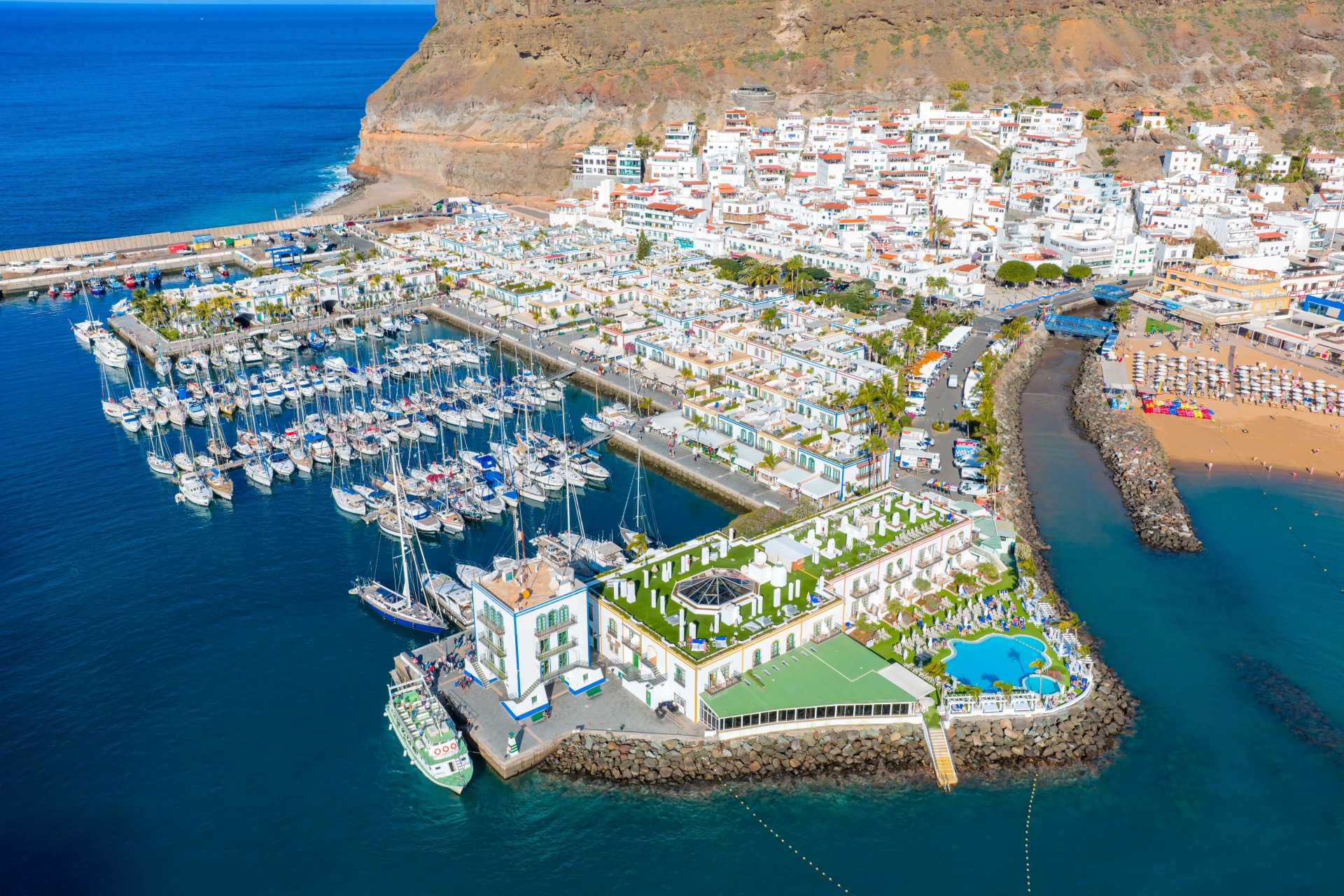
Quick Summary (for busy buyers):
- Tenerife shows stronger short-term capital growth, especially in prime coastal zones with very limited supply
- Gran Canaria offers more stable pricing and lower entry points, with steadier long-term appreciation
- Liquidity in Tenerife is tighter, with well-priced properties often selling within 1–3 weeks in key areas
- Gran Canaria attracts a more balanced buyer mix, including long-term residents, digital nomads, and yield-focused investors
- Foreign demand is now structural across both islands, with increasing competition from cash and repeat international buyers
- Supply constraints and planning restrictions are tightening availability of high-quality coastal and urban stock
- Buyer success in 2026 depends more on strategy (speed vs stability) than on choosing a “better” island
Tenerife vs Gran Canaria: The Real Property Investment Reality in 2026
This is one of the most common conversations happening on the ground right now with overseas buyers:
Is Tenerife still outperforming Gran Canaria, or has the gap narrowed enough that Gran Canaria is now the smarter buy?
The honest answer is that both markets are rising, but they are behaving very differently underneath the surface.
Tenerife is faster, tighter, and more competitive. Gran Canaria is slower, more balanced, and in some areas still mispriced.
But the real dividing line in 2026 is not price. It is liquidity and speed of absorption.
In other words: how quickly good properties actually sell, and how easily you can exit later.
That is where the gap between the islands becomes much clearer.
What Buyers Are Missing About the Canary Islands Market Right Now
There is still a lingering assumption among some foreign buyers that the Canary Islands are a “value market” compared to mainland Spain.
That thinking is outdated.
In reality:
- Prime coastal stock is limited
- Resale liquidity is tightening
- Well-priced listings are being absorbed faster than most expect
- The strongest assets are now competing with international capital, not just lifestyle buyers
In practical terms, the market is no longer about finding cheap property. It is about avoiding overpaying for the wrong micro-location while competing with informed buyers who move quickly.
Tenerife Property Market 2026: Faster Growth, Faster Decisions, Higher Pressure
Tenerife remains the island where capital appreciation is most visible, but it comes with a cost: timing matters more than ever.
The southern corridor, particularly Costa Adeje, Los Cristianos, and surrounding premium zones, is where most of the pressure is concentrated.
What is happening on the ground is straightforward:
- Well-priced properties are often under offer within 1 to 3 weeks
- Sellers are less flexible than they were pre-2020
- Buyers are increasingly competing with repeat investors and cash purchasers
There is very little “wait and see” behaviour left in the best locations.
Key drivers in Tenerife in 2026:
- Extremely limited coastal development land
- Strong UK, German, and Nordic buyer presence
- High short-term rental performance in licensed zones
- Deep liquidity in established resorts
- Mature resale market with proven exit demand
The reality most buyers underestimate:
Tenerife rewards decisiveness, but punishes hesitation. Buyers who delay decisions often end up paying more for a worse position later in the cycle.
This is not a slow market in prime zones anymore. It behaves like a competitive asset market.
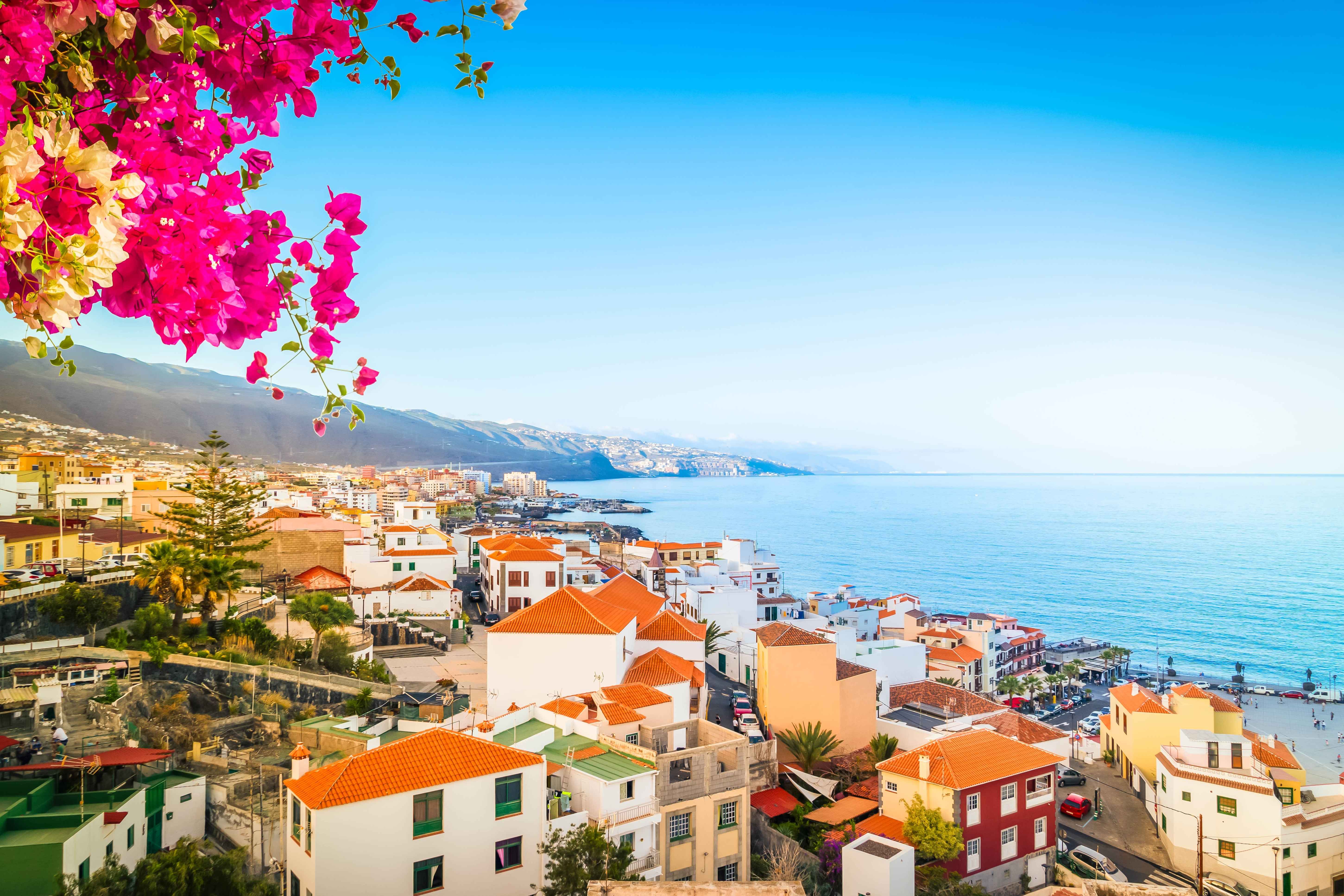
Gran Canaria Property Market 2026: Steadier Growth, Better Entry Points, Fewer Surprises
Gran Canaria continues to be misread by many overseas buyers, largely because it lacks the same intensity as Tenerife.
That is also its advantage.
Unlike Tenerife, Gran Canaria does not spike aggressively. Instead, it compounds steadily, especially in areas with year-round demand.
Las Palmas has been the biggest structural shift. It is no longer just a local capital city, it now behaves like a hybrid rental and lifestyle market with consistent occupancy demand.
Key drivers in Gran Canaria:
- Strong long-term rental base (local + expat)
- Increasing digital nomad and remote worker population
- More balanced tourism seasonality
- Better relative entry pricing in comparable coastal zones
- Urban demand in Las Palmas reducing reliance on tourism cycles
What is often overlooked:
Gran Canaria offers more forgiving entry pricing, but the trade-off is slower capital acceleration in most zones.
However, that slower pace also means:
- Less pricing shock risk
- More predictable valuations
- Lower emotional buying pressure
This matters more for certain investor profiles than headline growth rates.
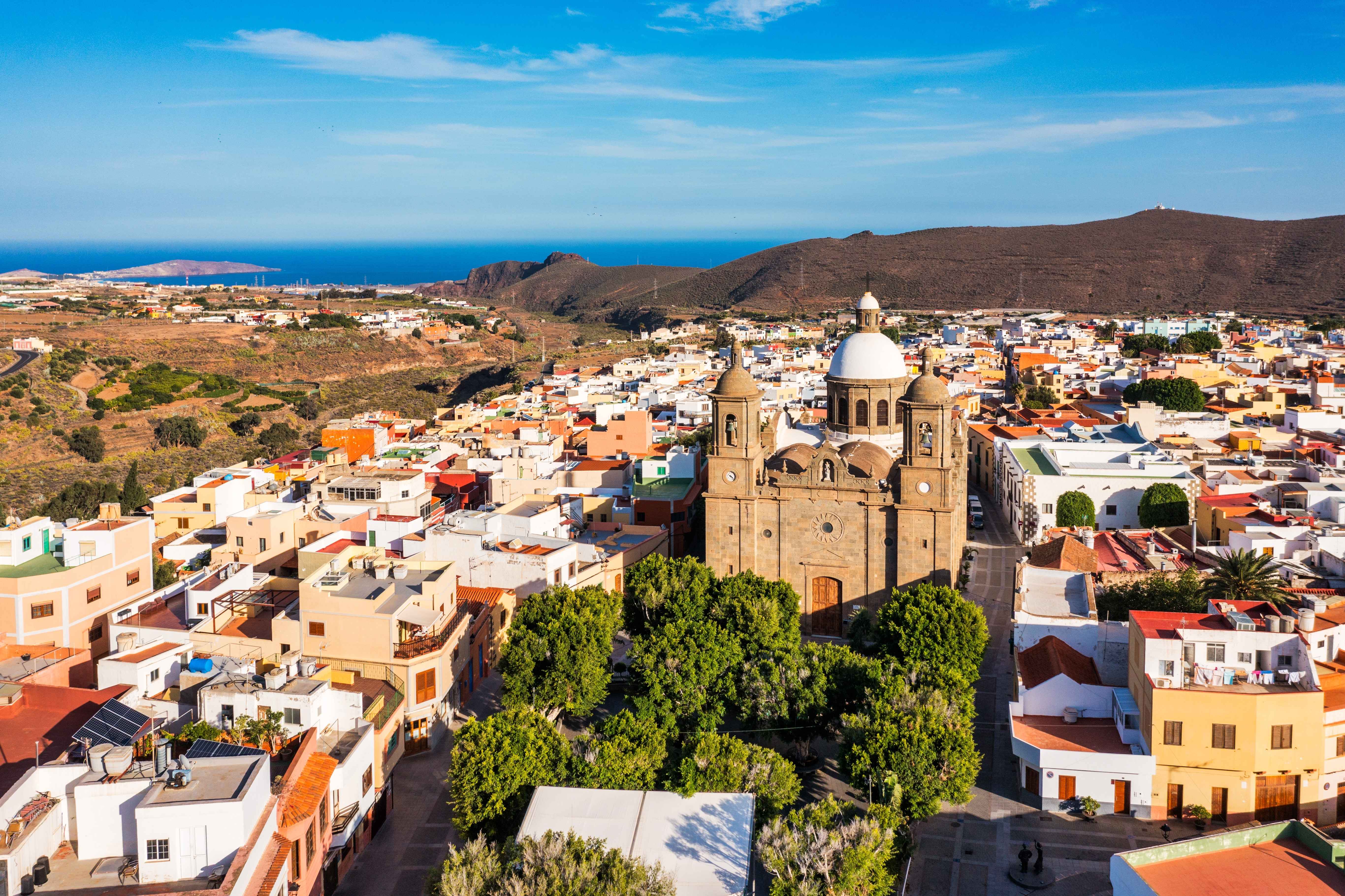
The Real Market Drivers in 2026 (Both Islands)
Across both Tenerife and Gran Canaria, three structural forces are driving pricing behaviour:
1. Foreign demand is now structural, not cyclical
This is no longer seasonal tourism demand. Buyers are relocating, hybrid living, or long-term holding.
That changes everything about liquidity.
2. Supply constraints are tightening, not easing
There is limited new coastal development, and most desirable stock is either:
- already built
- renovation-heavy
- or tightly controlled by planning restrictions
This keeps pressure on resale assets.
3. Buyer behaviour is becoming more competitive and informed
A major shift in 2026 is how quickly buyers are making decisions.
Well-positioned listings are now:
- compared instantly across agencies
- evaluated on resale potential, not lifestyle appeal alone
- often secured before full marketing cycles complete
The “thinking time” window is shrinking.
Tenerife vs Gran Canaria: Which One Actually Performs Better?
This is where most articles oversimplify things.
There is no universal winner.
But there is a clear behavioural difference:
Tenerife:
- Higher upside in prime coastal zones
- Faster appreciation cycles
- Higher competition and pricing pressure
- Stronger liquidity in resale market
Gran Canaria:
- More stable growth pattern
- Better affordability at entry level
- Lower volatility in pricing behaviour
- Stronger long-term rental balance in city and mixed-use zones
The real decision factor in 2026:
It is not which island is “better”.
It is whether the buyer is positioned for:
- speed-driven competition (Tenerife)
or
- stability-driven accumulation (Gran Canaria)
Most mistakes happen when buyers confuse the two.
Where Buyers Go Wrong in 2026
The most common errors being seen in the current market:
- Assuming both islands behave the same
- Anchoring to outdated price expectations from pre-2022
- Underestimating how fast prime listings move in Tenerife
- Overestimating short-term rental returns without licensing clarity
- Choosing location based on lifestyle first, investment second
The biggest financial difference in outcomes is not island selection.
It is micro-location precision and timing.
What This Means If You Are Considering Buying in 2026
The Canary Islands are still offering opportunity, but it is no longer passive.
Buyers now need:
- clear strategy (growth vs stability)
- accurate micro-location targeting
- realistic pricing expectations
- fast access to quality stock
Waiting for “the right time” is less effective than identifying the right structure.
Because in both Tenerife and Gran Canaria, the best properties rarely stay visible for long.
View Current Opportunities in Tenerife & Gran Canaria
Most of the strongest opportunities in both islands never remain publicly visible for long, particularly in high-demand coastal and city zones.
Current availability is often a mix of:
- discreet resale listings
- early-market properties
- and off-market opportunities not widely distributed online
A short, strategy-led shortlist is often the most effective way to identify realistic options based on budget, goals, and holding period.
Why Choose Canarian Properties?
As this market continues to tighten, the difference between a strong purchase and an average one often comes down to timing, local knowledge, and access to the right opportunities. In both Tenerife and Gran Canaria, pricing can vary significantly between neighbouring areas, while many of the most desirable properties are sold before they gain widespread exposure.
Canarian Properties helps buyers navigate these market conditions with local insight across both islands, access to current opportunities, and a clear understanding of where demand, liquidity, and long-term investment potential are strongest. Whether the priority is capital growth, rental income, or lifestyle-led investment, buyers benefit from guidance grounded in the realities of today's Canary Islands market.
FAQ
Is Tenerife still the best island for property investment in 2026?
Tenerife typically delivers stronger capital appreciation in prime coastal zones, but it also comes with faster competition and tighter entry conditions.
Is Gran Canaria a safer investment?
Gran Canaria tends to be more stable with fewer pricing spikes, making it more predictable for long-term holding strategies.
Where is rental demand stronger?
Tenerife leads in short-term holiday rental demand, while Gran Canaria has a stronger balance of long-term and mixed tenancy demand.
Are prices still rising in the Canary Islands?
Yes, but unevenly. Prime areas are rising faster due to supply constraints and continued foreign demand.
Which island is better for first-time buyers?
Gran Canaria is often more accessible due to lower entry pricing and more gradual market movement.
Final Positioning
Tenerife and Gran Canaria are no longer competing on the same terms.
Tenerife is a speed and competition market where timing and precision matter.
Gran Canaria is a stability and accumulation market where patience and positioning matter more.
The strongest results in 2026 are not coming from choosing the “best island”, but from choosing the right behaviour for the right market conditions.
Speak with Canarian Properties to access current opportunities and receive a tailored investment shortlist for Tenerife and Gran Canaria based on your strategy and budget.