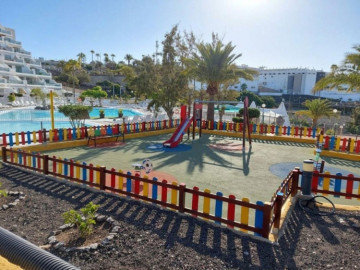


The Canary Islands property market has entered a phase where available inventory no longer keeps pace with buyer demand. Across Tenerife, Gran Canaria, Lanzarote and the smaller islands, the volume of quality homes reaching the market has tightened measurably, creating conditions where decisive buyers gain clear advantages over those who delay.
This isn't speculative commentary. The supply shortage reshaping the archipelago's real estate landscape stems from structural factors: limited developable land, planning restrictions designed to preserve the islands' character, and a post-pandemic surge in remote workers and northern European buyers seeking year-round sunshine. When supply shrinks and demand holds or rises, early action becomes the difference between securing a property and watching options evaporate.
Understanding why the current shortage favours buyers who move now requires looking at what's actually happening on the ground, island by island, and recognising how inventory constraints translate into tangible market consequences.
Understanding the Current Supply Shortage
The Canary Islands face geographical limits that mainland markets don't. Each island offers finite coastal and desirable inland territory. Volcanic topography, protected natural areas and agricultural zones restrict where development can occur. Urban planning frameworks, tightened over recent years to prevent overdevelopment, mean new projects move through approval slowly.
Simultaneously, property owners who bought years ago often hold rather than sell. Many purchased as holiday homes or rental investments during earlier market cycles and have no pressing reason to list. The result is a mismatch: consistent buyer enquiries meet a shallow pool of available homes.
This dynamic intensifies in the most sought-after locations. Coastal towns with established amenities, reliable rental yields and direct flights from European capitals see particularly acute shortages. Properties that do come to market attract multiple interested parties quickly, often selling before wider advertising begins.
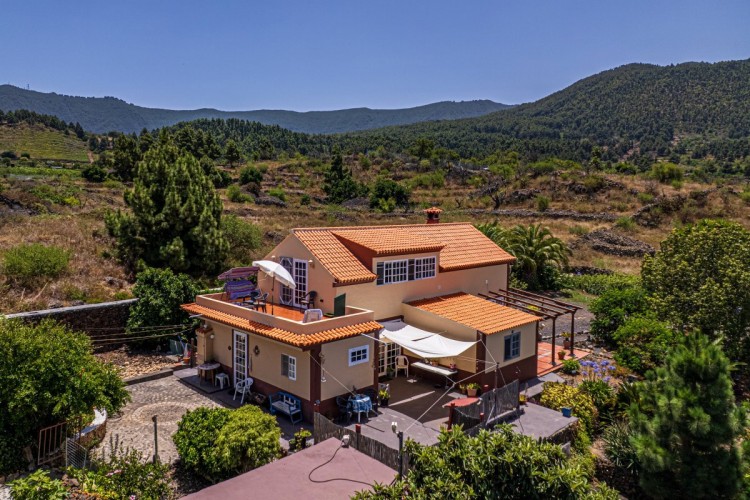
Why Supply Constraints Drive Early-Buyer Advantage
When inventory tightens, buyers who act early access choose that later arrivals simply won't see. The best-positioned properties, those with sea views, modern finishes, proximity to services or strong rental potential, move first. Waiting doesn't reveal better options. It narrows them.
Price is only one dimension. In constrained markets, the real cost of delay is lost opportunity. A villa in Playa Blanca or a renovated apartment in Puerto de Santiago that meets your brief won't wait while you consider. Another buyer, perhaps operating on a tighter decision timeline, will secure it.
Early buyers also negotiate from a position of relative strength. When a seller knows limited comparable properties are available, they hold firmer on price. But a buyer who moves decisively, demonstrates readiness to proceed and isn't competing against five other offers can often structure terms more favourably than those arriving later in a bidding scenario.
There's a compounding effect, too. As inventory depletes through the year, properties that might have seemed adequately priced in spring look like missed opportunities by autumn, when similar homes either aren't available or command premiums reflecting scarcity.
Market Conditions Across the Major Islands
Supply Tightness: Island-by-Island Analysis
Current inventory levels vary across the Canary Islands, but the overall trend is consistent: demand continues to outpace supply in the most desirable locations.
- Tenerife: The island is experiencing a severe supply shortage, particularly in sought-after areas such as Costa Adeje, Playa de las Américas and Los Gigantes. Well-priced properties typically sell within 28 to 42 days, with strong competition from both international and domestic buyers.
- Gran Canaria: Supply is also severely constrained, especially in southern municipalities including Maspalomas and Puerto Rico. Quality homes generally remain on the market for 32 to 45 days, and buyers frequently compete for the same properties.
- Lanzarote: Inventory is at its most critical level due to strict development controls and limited resale stock. Properties in popular locations such as Playa Blanca and Puerto del Carmen often sell within 21 to 35 days, with multiple-offer situations becoming increasingly common.
- Fuerteventura: While inventory remains slightly healthier than on the other major islands, the market is tightening quickly. Homes in areas such as Corralejo and Morro Jable typically sell within 45 to 60 days, and buyer competition continues to increase as demand grows.
Gran Canaria
Gran Canaria shows the supply shortage acutely in its southern municipalities. Maspalomas, Puerto Rico and the coastal corridor see strong demand from Scandinavian and UK buyers, alongside Spanish mainlanders seeking second homes. Data from the Canary Islands Association of Real Estate Professionals indicates that active listings in prime southern zones dropped by approximately 34% between early 2025 and mid-2026, while enquiry volume increased by roughly 18% over the same period.
New development is concentrated in a few larger projects, meaning resale stock drives most transactions. Owners in desirable complexes hold properties for rental income, reducing the volume reaching the open market. Average days-on-market for two-bedroom apartments in well-maintained communities near Maspalomas fell from 52 days in January 2025 to 38 days by June 2026, reflecting intensified competition for available units.
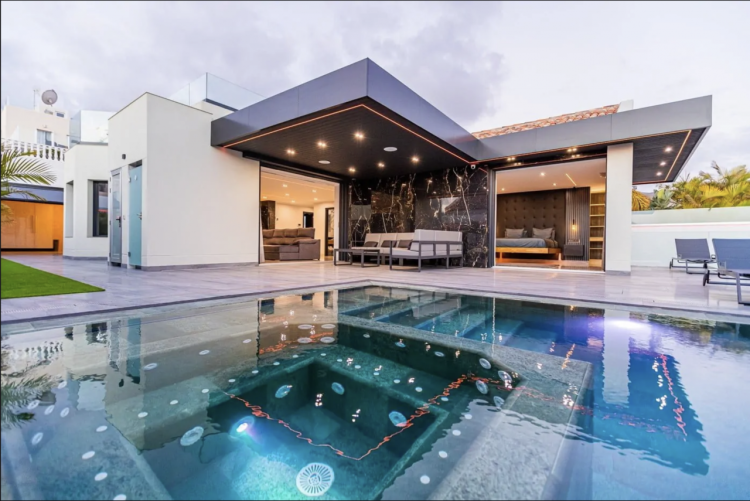
Tenerife
Tenerife experiences similar pressures, particularly in the southwest. Costa Adeje, Playa de las Americas and Los Gigantes attract buyers seeking established infrastructure and reliable sunshine. The northwest, around Puerto de Santiago, appeals to those wanting a quieter setting without sacrificing amenities.
Local agent networks report inventory in Costa Adeje's prime coastal complexes declined by approximately 29% year-on-year through the first half of 2026. Properties priced correctly now typically receive viewings within the first week and move to accepted offer status within 30-40 days. Supply is constrained by the island's topography and by owners who view their properties as long-term assets rather than short-term holdings.

Lanzarote
Lanzarote benefits from UNESCO Biosphere Reserve status and strict architectural guidelines that preserve the island's aesthetic. These protections make Lanzarote highly desirable but limit new supply severely. Puerto del Carmen, Playa Blanca and Costa Teguise have finite resale inventory, and properties often sell within agent networks before public listing.
Market data from early 2026 shows available inventory in Playa Blanca specifically dropped by roughly 41% compared to the same period in 2025. Time-to-sale for quality properties in established communities now averages under four weeks, with multiple-offer scenarios becoming standard rather than exceptional.
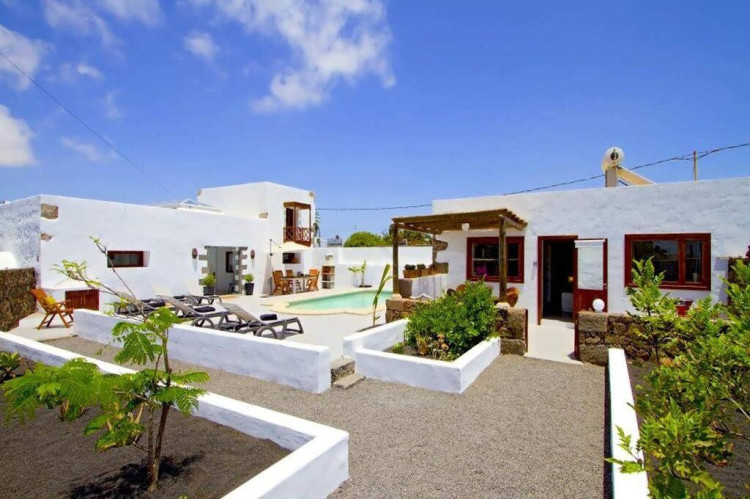
Fuerteventura
Fuerteventura remains relatively less pressured but is catching up. Corralejo and the southern coast around Morro Jable see growing interest from buyers prizing space, beaches and lower density. Listing volumes in key Corralejo zones decreased by approximately 22% year-on-year through mid-2026. As awareness spreads, the inventory advantage Fuerteventura enjoyed even a year ago is narrowing, with average time-to-sale contracting from around 65 days in early 2025 to roughly 48 days by summer 2026.
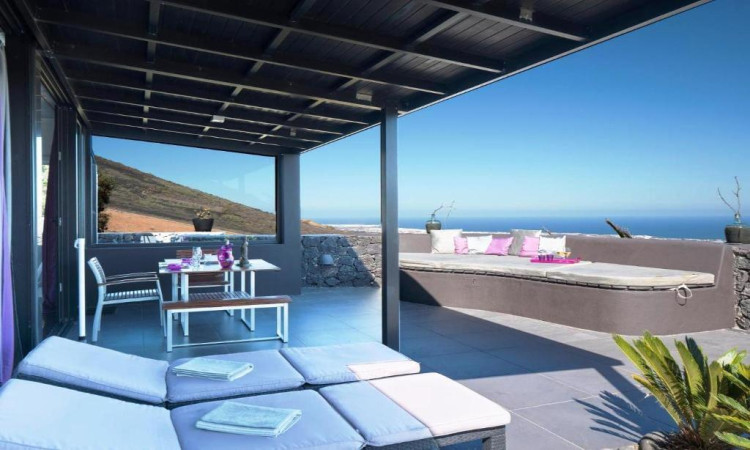
Real-World Impact: The Cost of Delay in Practice
Case Study: Two-Bedroom Apartment, Costa Adeje
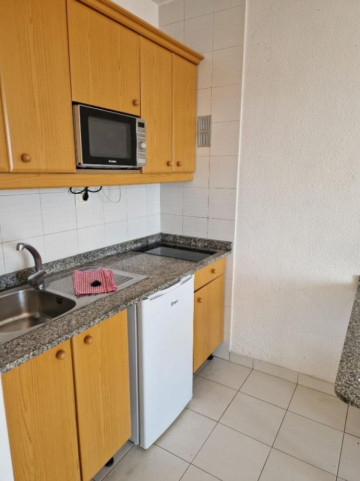
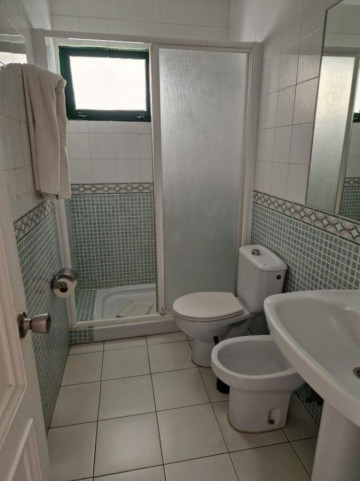
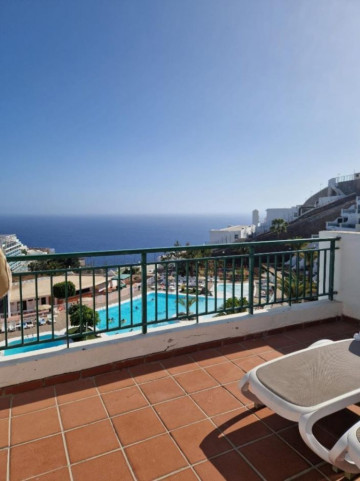
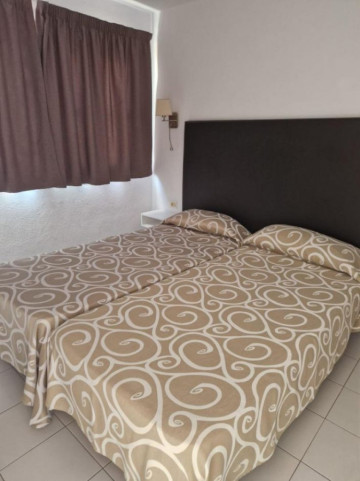
A concrete example illustrates how supply constraints affect real buyers. In March 2026, a well-maintained two-bedroom apartment in a popular Costa Adeje complex came to market at €285,000. The property featured partial sea views, a renovated interior, and access to communal pool and gardens. Located within walking distance of shops and beaches, it represented typical inventory for the area.
The listing generated 14 viewing requests within the first five days. Eight viewings were conducted over ten days. Three buyers submitted offers. The property went under contract on day 16 at €280,000, following brief negotiation. From listing to accepted offer: 16 days. Final completion occurred six weeks later.
Six months later, in September 2026, a comparable two-bedroom apartment in the same complex came available. Similar size, similar views, similar condition. The asking price: €310,000, reflecting the tightened market. This property received 19 viewing requests in the first week. Multiple offers arrived within days, and it sold at the full asking price with no negotiation on day 11.
The contrast is instructive. A buyer who viewed the March property but hesitated, perhaps wanting to see more options or waiting for a slight price reduction, lost the opportunity entirely. When a comparable property appeared six months later, it cost €30,000 more and offered zero negotiating room. The cost of a six-month delay: €30,000 plus the loss of any leverage in the transaction.
This isn't an outlier. It's the predictable outcome when inventory shrinks and demand holds. The March buyer secured the property, locked in financing at prevailing rates, and now owns an asset that the market immediately revalued upward. The September buyer paid the premium that scarcity commands.
The Inventory Challenge: What Buyers Face Today
Practical experience in the current market reveals the challenge. A buyer seeking a two-bedroom apartment with sea views in a well-maintained complex might find three suitable options across an entire municipality, not thirty. A family wanting a villa with a private pool and garden within walking distance of schools and shops may discover that no such property is currently listed, and the last comparable sale occurred months ago.
This scarcity shifts the buyer's task from selecting among abundant options to positioning themselves to act when the right property appears. It requires different preparation: finances arranged in advance, legal and advisory teams in place, decision criteria clearly defined so evaluation happens quickly.
Buyers who approach the market casually, expecting to browse at leisure over months, often find themselves repeatedly disappointed. The property that seemed interesting yesterday has an accepted offer today. The apartment that appeared overpriced last week is the only viable option this week, and suddenly the price seems reasonable.
Timing and the Cost of Hesitation
The cost of waiting in a supply-constrained market isn't abstract. It's the villa that sold while you deliberated. It's the ground-floor apartment with the garden, gone because you wanted to view three more properties first. It's the marina-view penthouse that moved to another buyer because your mortgage wasn't pre-approved.
Time spent hesitating is also time during which general market conditions can shift. If lending criteria tighten, if currency moves unfavourably, if planning policy changes to further restrict supply, the window you intended to use narrows or closes. Early buyers lock in current conditions. Late buyers accept whatever conditions prevail when they finally act.
There's also a psychological dimension. The longer a buyer waits, the more anchored they become to initial expectations. A budget set months ago may no longer reflect available inventory. Standards formed when supply was greater may not align with current reality. Early buyers adapt to the market as it is, not as they wish it were.
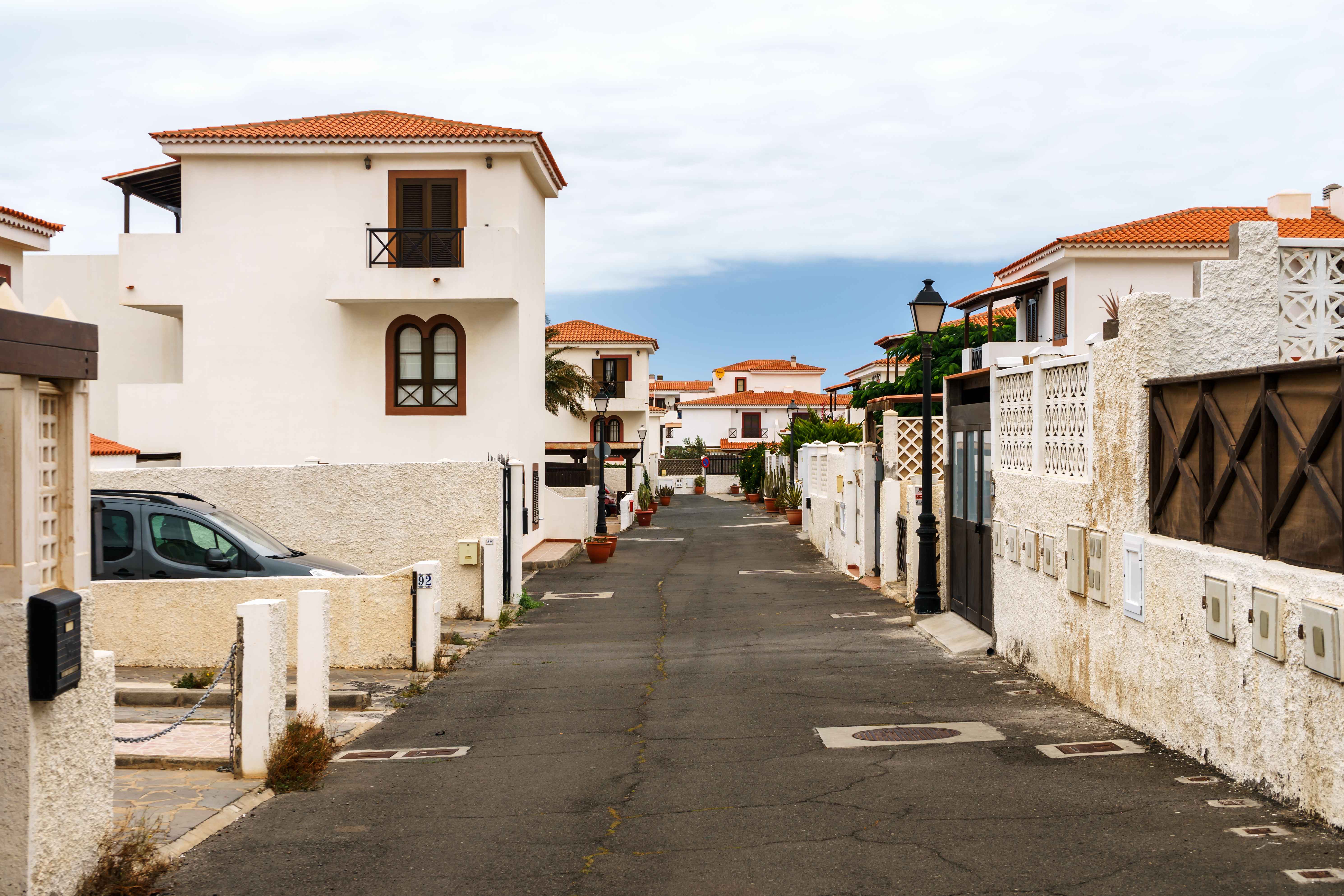
Early vs. Late Buyer Scenarios
The timing of your purchase can have a significant impact on both your options and your overall buying experience.
- Property Choice: Buyers who act early can select from the current inventory before the best homes are sold. Those who wait six to twelve months often face a much smaller selection and greater competition.
- Negotiation Leverage: Early buyers are more likely to negotiate favourable terms on newly listed properties. Late buyers are increasingly drawn into multiple-offer situations where sellers have little incentive to negotiate.
- Price Exposure: Purchasing sooner allows buyers to secure properties at today's market prices. Waiting may mean paying higher prices if supply continues to tighten and demand remains strong.
- Transaction Timeline: Buyers who enter the market early generally have more flexibility to complete due diligence and make informed decisions. Those entering later often need to act quickly to avoid losing desirable properties.
- Overall Risk: Acting sooner helps lock in current market conditions, while delaying exposes buyers to potential price increases, changing lending conditions, currency fluctuations and future policy changes that could further affect affordability.
How to Position Yourself as an Early Buyer
Acting early doesn't mean acting rashly. It means preparing thoroughly so that when the right property appears, you're ready to move decisively.
Early Buyer Readiness Checklist
Financial Preparation
Understand exactly what you can borrow, what deposit you can provide and what liquidity you have for completion. Work with lenders who understand Canary Islands property and can move quickly. If you're buying cash, have funds positioned so transfer can happen promptly.
- [ ] Mortgage pre-approval completed or proof of funds secured
- [ ] Deposit and completion funds accessible within required timeframes
- [ ] Currency exchange strategy in place if buying from abroad
- [ ] Budget confirmed and buffer included for transaction costs
Legal and Advisory Infrastructure
Identify a solicitor experienced in Spanish property law, an accountant who understands cross-border tax implications if you're a non-resident, and a surveyor or technical inspector you can deploy quickly. Don't wait until you've found a property to assemble this team.
- [ ] Spanish property solicitor identified and instructed
- [ ] Tax advisor consulted on residency and ownership structure
- [ ] Technical inspector or surveyor on standby for due diligence
- [ ] Understanding of Spanish purchase process and timeline
Island and Property Criteria
Define exactly what you need versus what you'd like. Understand which islands and which municipalities fit your lifestyle, budget and investment goals. The tighter the market, the more important it is to know your priorities and be willing to move when a property meets them.
- [ ] Target island(s) and specific municipalities shortlisted
- [ ] Property type, size and essential features defined
- [ ] Nice-to-have features ranked by importance
- [ ] Realistic budget aligned with current market pricing
Agent Engagement
Work with agents who have inventory access and market knowledge. In constrained markets, the best properties often move through professional networks before reaching public portals. A relationship with a credible agent gives you earlier visibility.
- [ ] Reputable local agent engaged and briefed on requirements
- [ ] Viewing trip dates identified or flexible travel arranged
- [ ] Communication channels established for rapid property alerts
- [ ] Agent aware of your readiness to proceed quickly
Viewing and Decision Protocol
Plan how you'll evaluate properties quickly but thoroughly. Understand what you can assess yourself and what requires professional inspection. Be prepared to make a decision within days of viewing, not weeks.
- [ ] Viewing trip logistics planned (accommodation, transport)
- [ ] Decision-making framework agreed if buying jointly
- [ ] Inspection priorities identified for initial viewing
- [ ] Offer and negotiation parameters pre-determined
The Smaller Islands and Niche Markets
The smaller islands, La Palma, La Gomera and El Hierro, operate on even tighter inventory principles. Properties come to market infrequently, and buyers targeting these islands understand that opportunities appear irregularly and require immediate response. La Palma, recovering and rebuilding in areas affected by the 2021 volcanic eruption, presents unique circumstances where supply is constrained both by geography and by the pace of reconstruction in impacted zones.
Niche property types across all islands face particularly acute shortages. Fincas with productive land, character properties in historic town centers, and frontline coastal villas with direct sea access represent categories where inventory is measured in single digits, not dozens. Buyers seeking these property types operate in markets where a suitable listing might appear once or twice a year, making readiness and decisiveness non-negotiable.
Strategic Implications for Buyers
The structural drivers behind the Canary Islands supply shortage are not temporary. Geographic limits don't change. Planning restrictions designed to preserve the archipelago's appeal will not loosen. The post-pandemic shift toward remote work and international mobility continues to drive northern European interest. These are durable factors that will constrain supply for the foreseeable future.
Early buyers in 2026 are acting within a window that may look generous compared to conditions in 2027 or 2028. Each quarter that passes with demand exceeding supply tightens the market further. Properties sell, inventory depletes, and those who secured homes earlier look increasingly prescient.
This isn't about creating artificial urgency. It's about recognising that in markets where supply is structurally limited and demand is sustained, waiting costs more than acting. The choice isn't between buying now and buying the same property later at the same price. The choice is between securing a property now or paying more for less choice later.
For buyers who've done their research, arranged their finances, and identified the Canary Islands as their target market, the current shortage creates clarity. The decision isn't whether to proceed. It's how quickly you can position yourself to compete effectively for the limited inventory available.
If you're ready to move decisively and want access to the best available properties across Gran Canaria, Tenerife, Lanzarote and Fuerteventura, explore our current listings and work with advisors who understand how to navigate this constrained market successfully. The properties you see today represent the choice you have now, not the choice you'll have if you wait.
View available properties in Gran Canaria and across the Canary Islands and speak with our team about positioning yourself as a ready buyer in a supply-constrained market.
Why Choose Canarian Properties?
Successfully buying property in the Canary Islands requires more than simply searching property portals. In today's supply-constrained market, local expertise, timely access to new listings and a clear understanding of each island's unique market conditions are essential. At Canarian Properties, our experienced team provides personalised guidance across Gran Canaria, Tenerife, Lanzarote and Fuerteventura, helping buyers identify opportunities that align with their lifestyle, investment goals and budget.
From the initial property search through to completion, we are committed to making your purchase as straightforward and informed as possible. Our local market knowledge, carefully selected property portfolio and professional network enable us to help buyers act quickly when the right opportunity arises. Whether you're purchasing a holiday home, relocating or investing, Canarian Properties offers the expertise and support you need to buy with confidence in one of Spain's most competitive property markets.
Frequently Asked Questions
How long will the supply shortage in the Canary Islands last?
The shortage reflects structural factors rather than temporary conditions. Geographic limits, planning restrictions and sustained demand from international buyers create durable constraints. While short-term fluctuations occur, the fundamental supply-demand imbalance is likely to persist for several years. Islands with the strictest development controls, particularly Lanzarote, will remain tightest. Buyers should plan on the assumption that inventory will remain constrained rather than expecting sudden increases in available properties.
Which Canary Island currently has the most critical shortage?
Lanzarote faces the most severe inventory constraints due to UNESCO Biosphere protections and strict architectural guidelines that limit new development. Data from early 2026 shows year-on-year listing declines exceeding 40% in key municipalities, with time-to-sale averaging under four weeks. Gran Canaria and Tenerife also experience serious shortages in prime coastal zones, though slightly more inventory moves through the market. Fuerteventura remains relatively less pressured but the gap is narrowing as buyer awareness grows.
What defines an early buyer in the current market?
An early buyer is someone who acts decisively within the current inventory cycle rather than waiting for conditions that may never materialise. In practice, this means having finances arranged, legal advisors in place and decision criteria defined before properties are viewed. Early buyers can move from viewing to accepted offer within days or weeks, not months. The definition is relative to competition: in a market where most buyers hesitate, the prepared buyer who acts promptly gains access to properties others miss entirely.
Can I still find value if I wait another six months?
Waiting in a supply-constrained market typically reduces value rather than revealing it. As the case study demonstrates, comparable properties listed six months apart in 2026 showed a €30,000 price increase with no negotiating room on the later sale. Waiting means competing for scarcer inventory against more buyers, often at higher prices. Value in this market comes from securing a suitable property now, not from attempting to time a market bottom that may not arrive. Buyers who wait often end up paying more for fewer options.
What preparations give me the biggest edge as an early buyer?
Mortgage pre-approval or proof of funds is the single most important preparation, as it allows you to make credible offers immediately. Second, having a Spanish property solicitor already instructed means due diligence can begin the moment you go under contract. Third, clear decision criteria prevent paralysis when viewing properties, ensuring you recognise a suitable home when you see it. Finally, a relationship with a knowledgeable local agent provides early access to properties before they reach wider markets, giving you a critical time advantage over buyers relying solely on public portals.
Are there any islands or property types where supply is less constrained?
Fuerteventura currently shows relatively healthier inventory levels than Tenerife, Gran Canaria or Lanzarote, though the gap is closing as buyer interest increases. Inland properties and those requiring renovation work generally face less competition than turnkey coastal apartments or villas. However, even in less pressured segments, inventory remains significantly below levels seen three to five years ago. Buyers seeking niche property types, such as fincas with land, character homes in historic centers, or frontline coastal villas, face acute shortages across all islands with suitable listings appearing only sporadically.
Should I consider off-plan developments to avoid the resale shortage?
Off-plan purchases can provide access to new inventory, but they carry different risk profiles and timelines. Completion dates can extend beyond initial projections, requiring buyers to wait one to three years before taking possession. Quality and location vary significantly between developers. Buyers considering off-plan should conduct thorough due diligence on the developer's track record, verify all planning permissions are in place, and ensure payment structures protect deposits. Off-plan can work for buyers with flexible timelines, but those wanting immediate occupancy or rental income need resale inventory despite the constrained supply.
Conclusion: Act Before the Best Opportunities Disappear
The Canary Islands continue to attract buyers from across Europe, but the number of high-quality properties available remains limited. As supply tightens, buyers who are financially prepared and ready to act are securing the best homes, while those who delay often face fewer choices, stronger competition and higher prices.
If you're considering buying property in Gran Canaria, Tenerife, Lanzarote or Fuerteventura, now is the time to position yourself ahead of the market. Explore the latest listings with Canarian Properties, speak with our experienced local team, and receive expert guidance tailored to your goals. We'll help you identify the right opportunities, navigate the buying process with confidence, and move quickly when the perfect property becomes available.